 English





Standard Chartered’s Future of Trade: Resilience report reveals how 1,200 corporates across 17 markets are navigating one of global trade’s most turbulent decades. From AI and tariffs to supply chain realignment and digital treasury transformation, businesses are adopting multi-pronged strategies to build resilience, manage rising costs, and seize opportunities across emerging trade corridors.


At the LiquidX Rooftop Event in New York City, Trade Treasury Payments spoke with leaders from banks, fintechs, and service providers about how technology, partnerships, and new sources of liquidity are reshaping global trade finance. From private credit to digital infrastructure, collaboration is driving a more connected and inclusive financial ecosystem that can help close the trade finance gap.
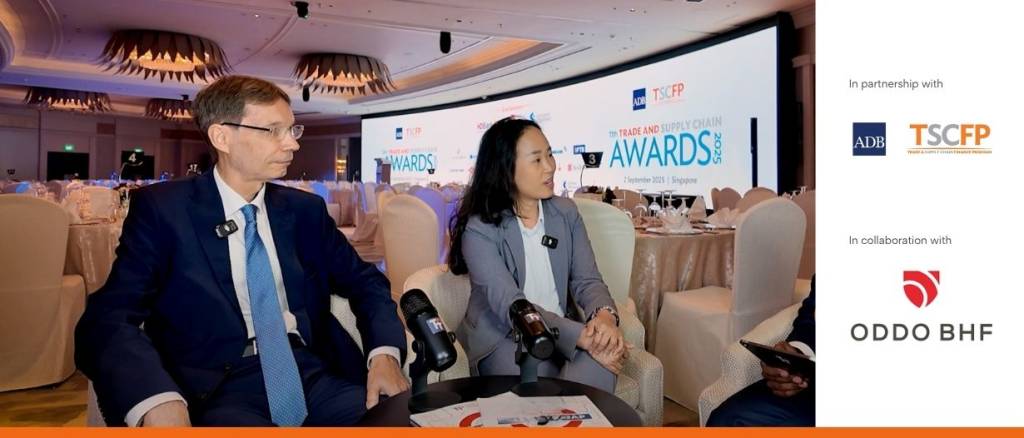
At the ADB Trade & Supply Chain Finance Program Awards, Trade Treasury Payments spoke with Rudolf Putz and Mai Vu of ODDO BHF on how partnerships with multilateral development banks are expanding trade finance capacity in emerging markets, balancing risk, regulation, and growth.
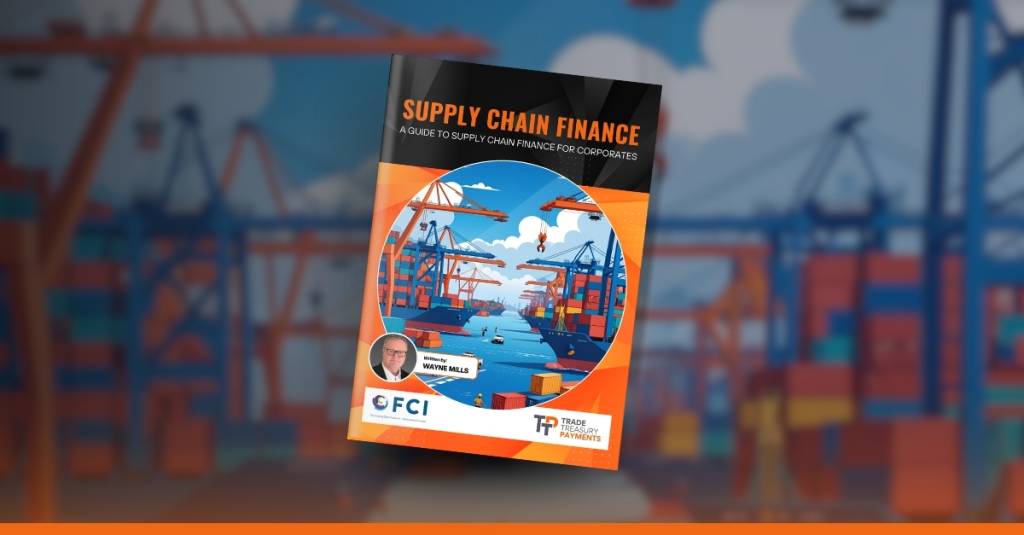
Corporates facing tighter liquidity, volatile markets, and fragile supplier networks are turning to supply chain finance (SCF) as a critical tool for resilience, yet many still lack a clear understanding of how it works. To bridge this gap, Trade Treasury Payments (TTP) and FCI have released ‘Supply Chain Finance Guide for Corporates’, a practical handbook designed to help businesses navigate the complexities of SCF and embed it into their broader financial and procurement strategies.

When we talk about lifting nations out of poverty or accelerating development, we often look to grand infrastructure or breakthrough technology. Yet in the current world of open-account trade, there is an engine with the power to widen access to liquidity and strengthen real economies – supply chain finance (SCF).

To be clear: factoring and supply chain finance (SCF, or reverse factoring) are not inherently problematic. Indeed, they are indispensable instruments of global commerce. From Mittelstand manufacturers in Germany to electronics exporters in Shenzhen, companies rely on these techniques to smooth cash flow, fund working capital, and underpin domestic and cross-border trade.
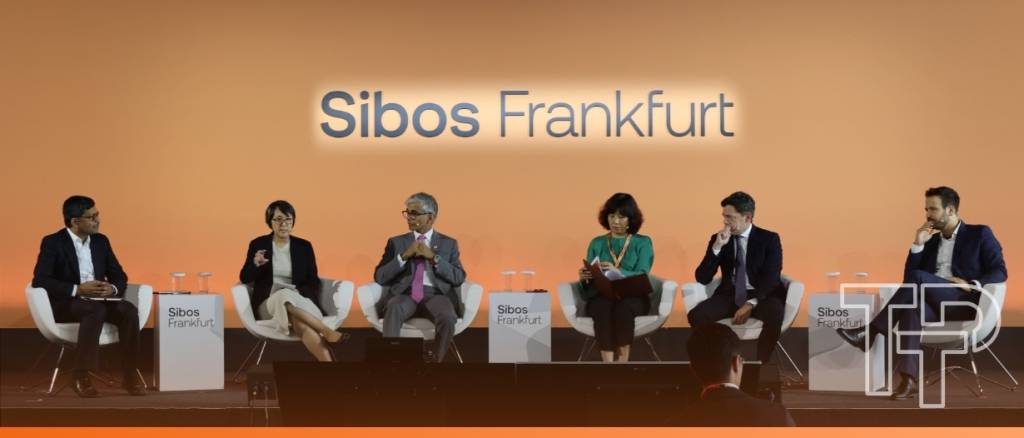
At a Monday afternoon panel session at Sibos moderated by Sukand Ramachandran, Managing Director and Senior Partner at BCG, the audience heard from Makiko Toyoda, Global Head of the Global Trade Finance Program & Global Supply Chain Finance Program at IFC; Vivek Ramachandran, Head of Global Trade Solutions at HSBC; Yunfei Liu, Deputy General Manager, GlobalTransaction Banking Department at the Bank of China; James Fraser, Global Head of Trade and Working Capital and Head of EMEA Payments at J.P. Morgan; and Enrique Jose Garcia Rico, Global Head of Trade and Working Capital Solutions at Santander Corporate and Investment Bank.