 English




In an effort to reduce Africa’s reliance on imported refined fuel from outside the continent, the African Export-Import Bank (Afreximbank) has launched a $3 billion revolving trade finance programme to support intra-African and Caribbean oil transactions.

African Export-Import Bank (Afreximbank) has announced the launch of a specialised training programme aimed at enabling African businesses to capitalise on opportunities created by the African Continental Free Trade Area (AfCFTA).
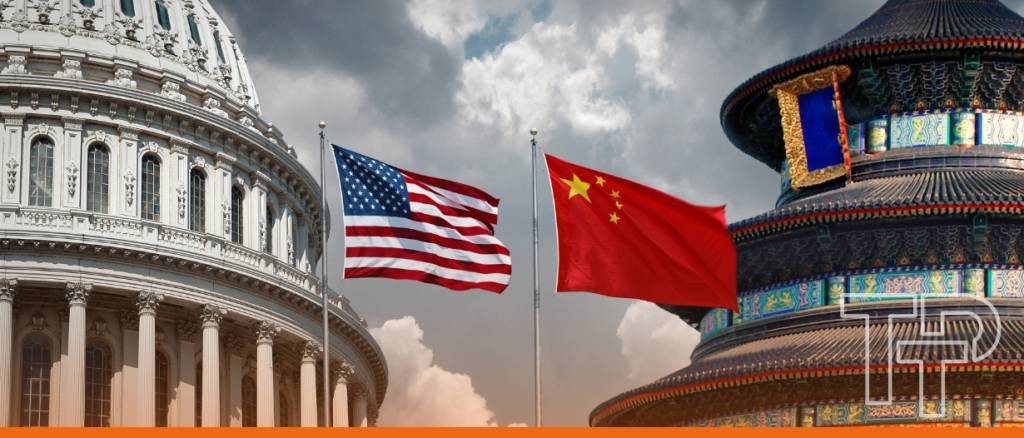
After years of simmering trade tensions, the United States-China trade policy entered a new and tumultuous phase in 2025.
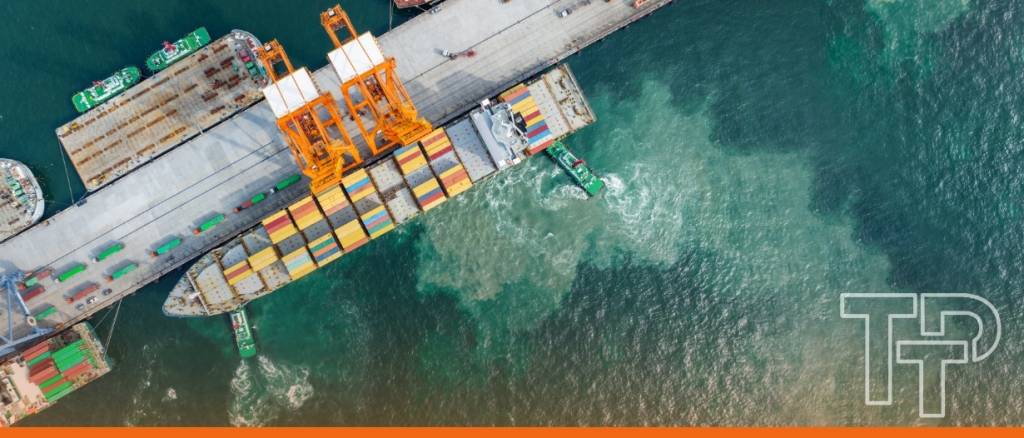
Newly released data from the United Nations Conference on Trade and Development (UNCTAD) has added much-needed clarity to the global picture of seaborne trade.

To explore the potential impacts of the changing trade landscape and how businesses can protect operations against volatility, a panel of geopolitical and finance experts from across Marsh McLennan’s business groups came together to discuss in a webinar titled, “Navigating geopolitical risk and uncertainty: The impact of changing trade policies”.
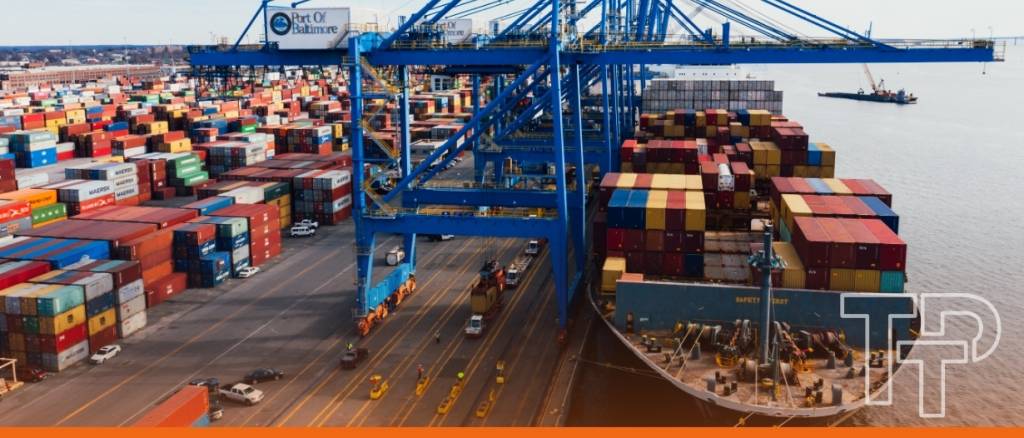
Trump’s tariffs are prompting importers to reassess their supply chain strategies, with a record number turning to foreign trade zones (FTZs) and bonded warehouses as a means of managing rising costs and operational uncertainty.

Digital technologies are changing the way we live, work, and trade. As WTO Director-General Ngozi Okonjo-Iweala often says, the future of trade is digital, and it must be inclusive.

The clue is in the name: Liberation Day. When President Trump announced at the beginning of his speech that he was declaring the independence of the United States from the global trade system, this was not a negotiation. The rhetoric used was violent: “America has been looted, pillaged and raped by other countries.” The scale of the tariffs imposed was unprecedented—a minimum of 10% and for some, notably China, much higher.