 English



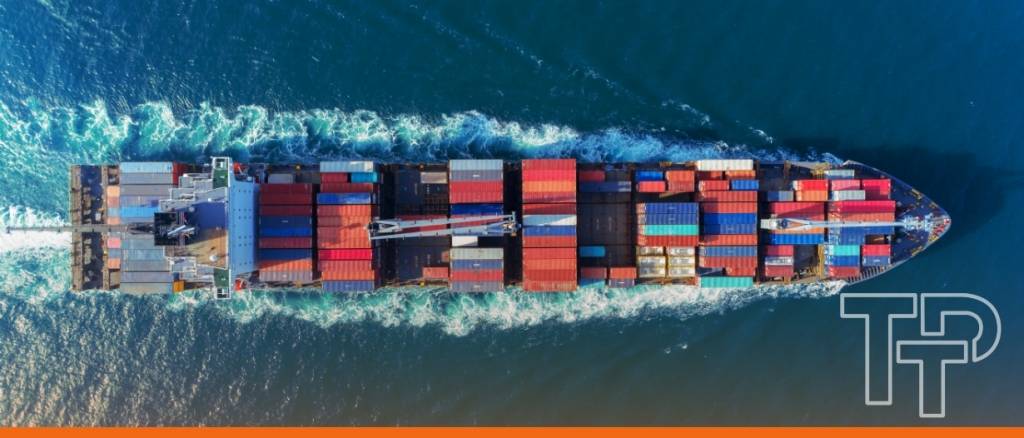
Tariff volatility has become increasingly prevalent on a global basis as governments respond to trade environments.
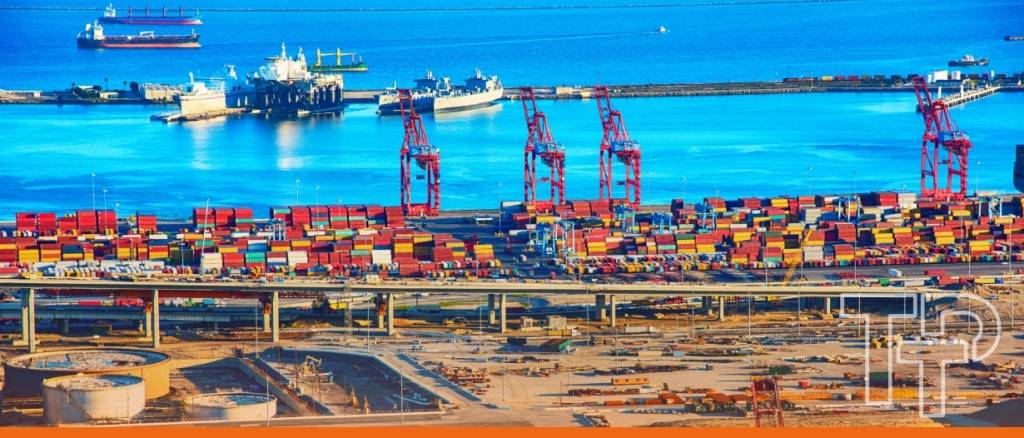
The maritime landscape of the United States West Coast has entered uncharted territory with zero cargo vessels leaving China for California’s top busiest ports last week, a scenario unseen since the pandemic’s early days.
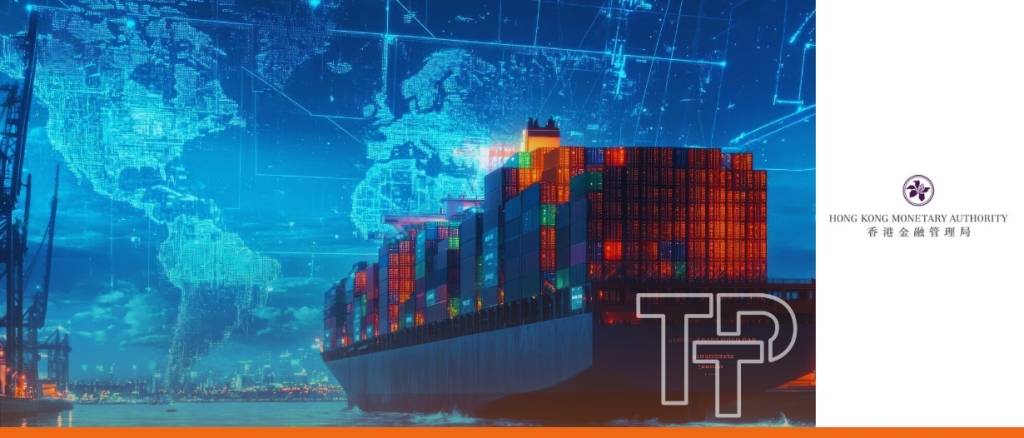
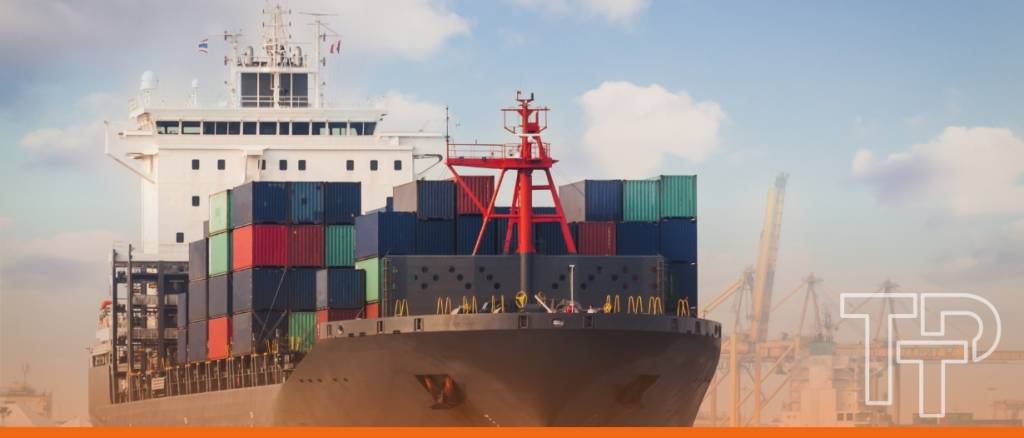
In response to the growing uncertainty in global trade policy, the International Chamber of Commerce (ICC) has released a new guidance note, Using the Incoterms® 2020 Rules to Manage Tariff Risk in International Trade.
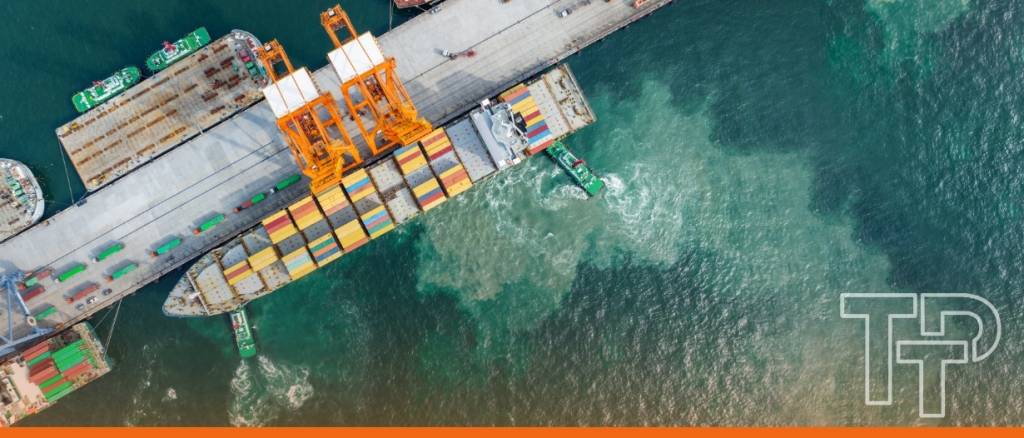
Newly released data from the United Nations Conference on Trade and Development (UNCTAD) has added much-needed clarity to the global picture of seaborne trade.
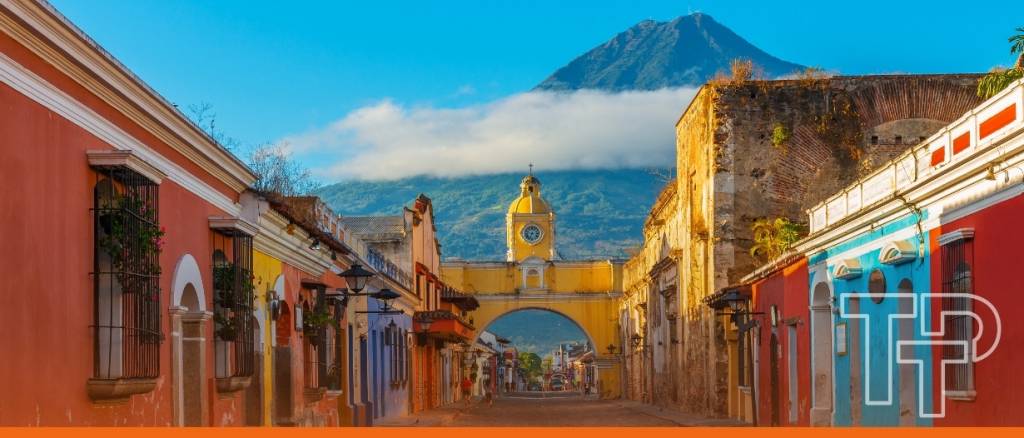
In April 2024, Guatemala introduced a Maritime Single Window (VUMAR) at Santo Tomás de Castilla and Puerto Quetzal to modernise its port clearance procedures. Early results indicate significant time and cost savings in the year since it was implemented.

To explore the potential impacts of the changing trade landscape and how businesses can protect operations against volatility, a panel of geopolitical and finance experts from across Marsh McLennan’s business groups came together to discuss in a webinar titled, “Navigating geopolitical risk and uncertainty: The impact of changing trade policies”.
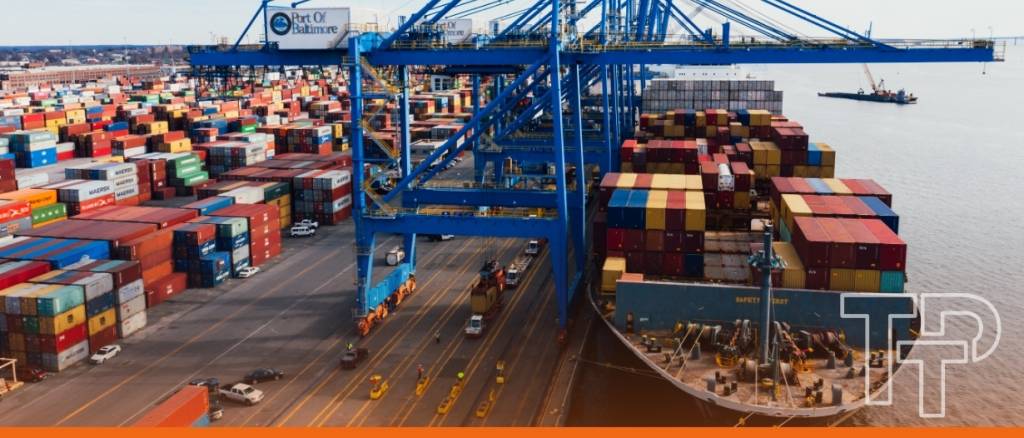
Trump’s tariffs are prompting importers to reassess their supply chain strategies, with a record number turning to foreign trade zones (FTZs) and bonded warehouses as a means of managing rising costs and operational uncertainty.