 English



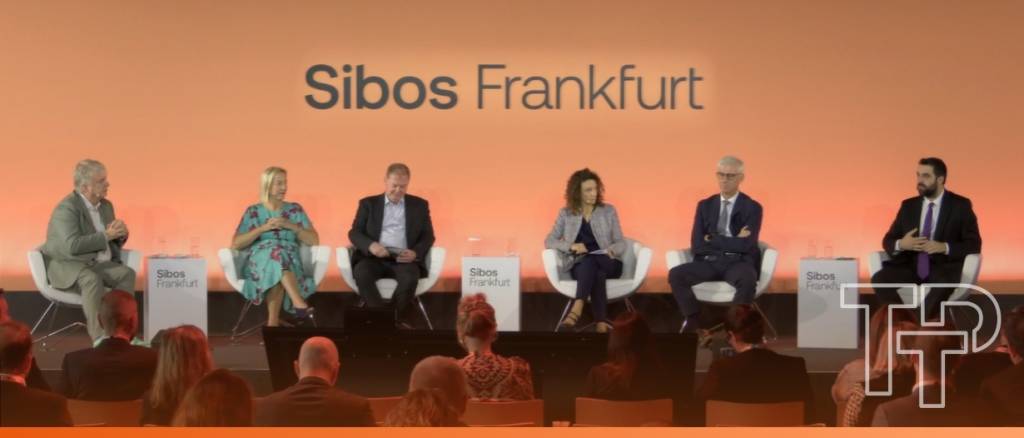
Industry leaders from major financial institutions shared diverging views on the future of settlement cycles during a panel discussion on “T+1 and Beyond: Building the Future of Global Markets” at Sibos 2025, challenging the assumption that faster settlement is always better and exploring how market infrastructure must evolve to meet changing demands.

At Sibos 2025 in Frankfurt, Swift today announced the addition of a blockchain-based shared ledger to its technology infrastructure, a transformative development designed to enable instant, 24/7 cross-border transactions at unprecedented global scale across more than 200 countries and territories.

Trade Treasury Payments (TTP)’s Joy Macknight spoke to Claire about one of the hottest topics at Sibos right now, AI and stablecoins. She also mentioned cross-border payment challenges.


✍️ In this article, TTP Editor-in-Chief Deepesh Patel explores how stablecoins are emerging as a practical tool for treasury, trade finance, and cross-border payments, balancing efficiency and inclusion with regulation, risk, and the future of cbdcs.

Explore whether stablecoins and CBDCs are revolutionary solutions or systemic risks. This article examines their promise in payments and inclusion, alongside regulatory challenges and potential threats to financial stability.

VoP is the Single Euro Payments Area (SEPA) payments equivalent of the UK CoP. But instead of copying their English peers outright, the folks on the continent switched the word “Confirmation” with the word “Verification” to create VoP: Verification of Payee.

HSBC has added cross-border functions to its Tokenised Deposit Service (TDS), allowing corporate clients to transfer currencies across borders in real-time with 24/7 instant settlement. The upgraded service meets the growing demand of clients for instant, cross-border settlements through an always-on blockchain platform, supporting digital currency trends and the evolving needs of corporate treasuries.

Securities and Exchange Commission chair Paul Atkins has threatened to ban overseas companies from using International Financial Reporting Standards (IFRS) if its rulemakers continue to pursue sustainability and climate-related initiatives.