 English




VIDEO | Transforming African trade and enabling a just transition

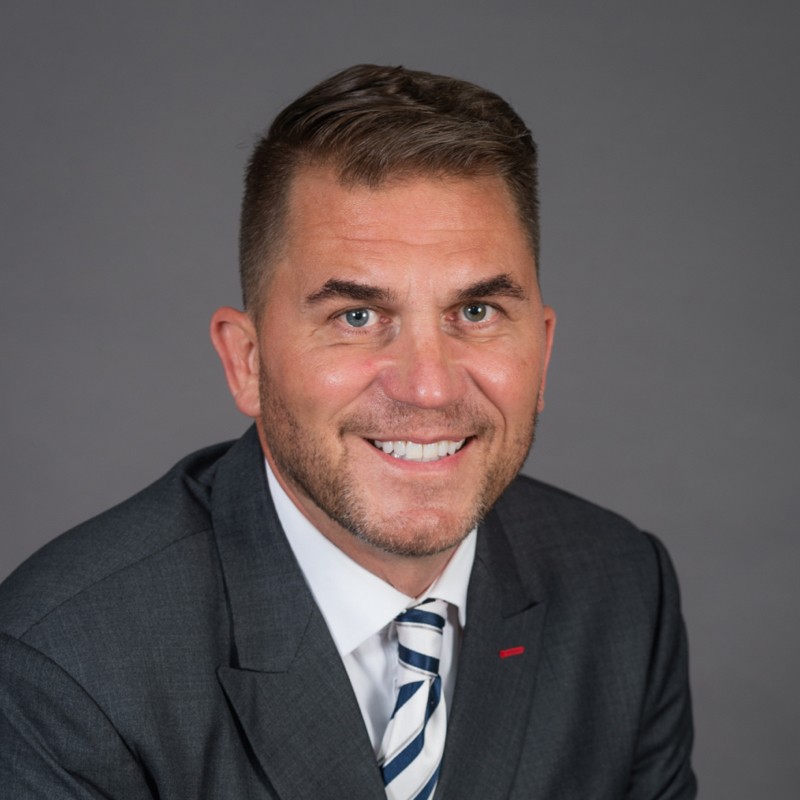 George Wilson
Aug 20, 2025
George Wilson
Aug 20, 2025
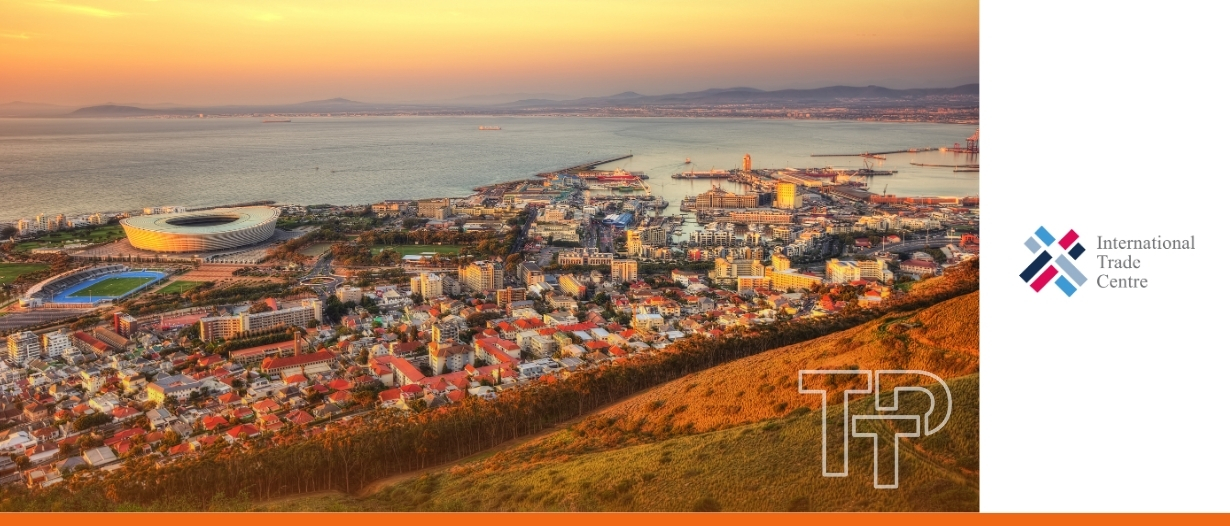
Video not playing? Watch via Youtube.
At the ITC SME Ministerial in Johannesburg, Trade Treasury Payments (TTP) spoke with George Wilson, Managing Director of ARM Trade Finance, to discuss the persistent trade finance gap in Africa and how sustainability frameworks can unlock investment into underserved markets.
Wilson explained, “The trade finance gap is the inability of African trade merchants – mostly SMEs – to obtain credit from their financiers.” That challenge is especially acute on the continent, where small businesses account for up to 90% of employment and generate nearly 40% of GDP growth. Without access to trade credit, these businesses too often find themselves unable to scale their operations, hire necessary staff, and, ultimately, contribute meaningfully to sustainable economic development in the way that they otherwise would be able to.
Bridging that divide, Wilson argued, requires a shift in the global financial system, particularly in how international regulation and capital incentives interact with the local realities of African banks.
“The reason why African banks are not offering trade finance to SMEs is because global banking regulations disincentivise it,” Wilson said. “They require excessive capital costs and liquidity, so African banks invest in government bonds instead, because it satisfies regulatory ratios and yields better returns. That’s the root of the problem.”
This incentive mismatch, according to Wilson, must be tackled through collaboration. Institutions such as the International Trade and Forfaiting Association’s (ITFA) African Regional Committee’s working group on SME trade finance, as well as initiatives like TF COP and the ARM Trade Finance Fund, are aiming to close the gap by working with African trade financiers and aggregators. The goal is to streamline capital inflows into local markets without burdening SMEs with reporting obligations they cannot meet.
“International investors are the only ones with the capital and liquidity to make a real difference. But only African banks can actually touch an SME – they’re the only ones who can KYC them, take local currency security, and do the business. We need to work together to change the incentive model.”
That brings the conversation back to sustainability, a word that often carries different meanings depending on geography. The Global North, for example, tends to equate sustainability with the environment, focusing on metrics like climate and emissions tracking. But in Africa, sustainability means delivering the broader set of Sustainable Development Goals (SDGs), including poverty alleviation, job creation, and industrialisation.
“There are really two paths to sustainability,” Wilson said. “In OECD countries, it’s about carbon KPIs and net-zero. But in Africa, delivering to the SDGs – like SDG 1 on poverty or SDG 8 on decent work – is what makes a programme sustainable.”
The challenge, however, is that many well-intentioned investors still expect ESG-style monitoring and third-party verification as part of their investment criteria. That’s simply not viable in markets where many SMEs operate informally, often without electricity or digital infrastructure.
Wilson welcomed the UN’s recent declaration in Fès, Morocco, which recognised that delivering on SDGs through SME financing was itself a form of sustainability. That shift, he argued, opens the door for new funding pathways, provided that international frameworks are updated to reflect what is measurable and meaningful in emerging markets.
“Too often, there’s no African voice in these conversations,” Wilson said. “Frameworks get developed in the Global North, and while they talk about sustainability, they’re mostly about managing greenwashing risk. We need African perspectives in the room to define what is actually achievable.”
Looking ahead, Wilson said the goal of TF COP is to close Africa’s trade finance gap by 2040, a lofty target, given the scale and complexity of the issue. But with more coordinated action between DFIs, private investors, and regional banks, the pieces are starting to come together.
“When clients feel uncertain, that’s when institutions can create the most value. It’s the same here. If we can align capital, local knowledge, and practical delivery mechanisms, we can address the missing middle. That’s what sustainable development actually looks like in Africa.”



Oct 17, 2025


Oct 16, 2025


Oct 16, 2025

Oct 16, 2025


Oct 15, 2025

Trade Treasury Payments is the trading name of Trade & Transaction Finance Media Services Ltd (company number: 16228111), incorporated in England and Wales, at 34-35 Clarges St, London W1J 7EJ. TTP is registered as a Data Controller under the ICO: ZB882947. VAT Number: 485 4500 78.
© 2025 Trade Treasury Payments. All Rights Reserved.